Published on
Updated on
Story contact: Nicholas Childress, CVMMarCom@missouri.edu
Photos by Karen Clifford
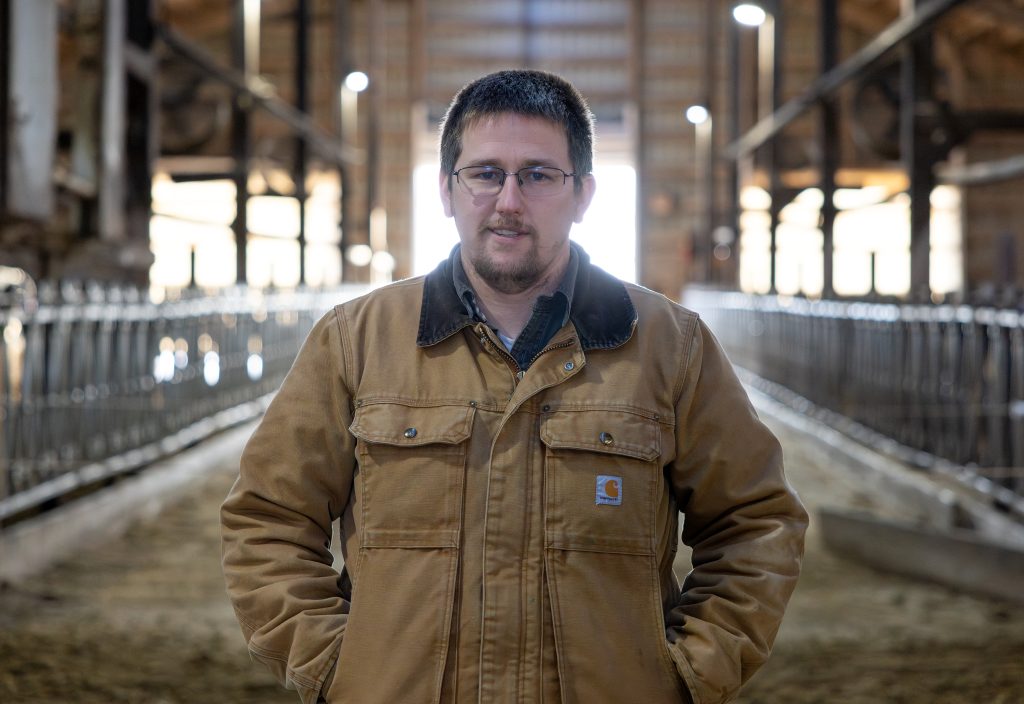
For seven years, Dan Cook worked in food processing facilities across the country. The work mattered, the stakes were real and the United States Department of Agriculture (USDA) trusted him to help protect the nation’s food supply.
That responsibility took on greater weight in Missouri, where agriculture is the state’s number one industry, contributing tens of billions of dollars annually to the economy and supporting hundreds of thousands of jobs. Protecting the food system here means protecting livelihoods, communities and a way of life.
Even so, something felt unfinished.
Cook’s role in food safety and regulation placed him alongside USDA veterinarians every day. Watching them move between animal health, public service and oversight sharpened a question he couldn’t shake: What if I could do more than support that work? What if I could lead it?
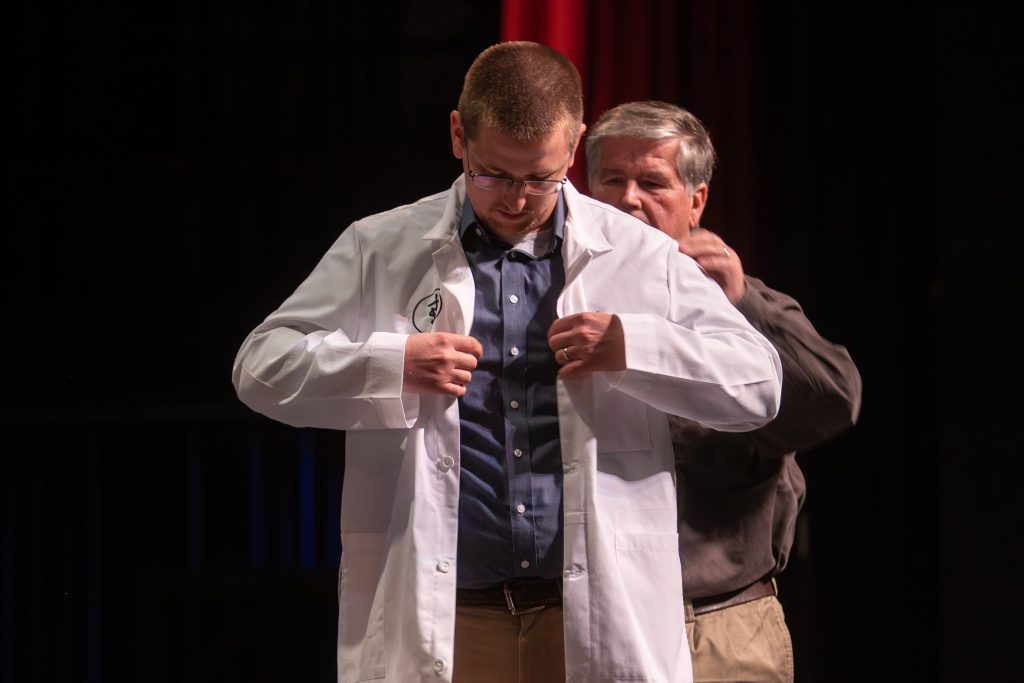
That question eventually brought him back to the classroom and to the University of Missouri College of Veterinary Medicine.
Choosing a harder path — on purpose
Originally from Rolla, Missouri, Cook chose Mizzou for a program that values public service and respects real-world experience. The college’s training prepares veterinarians to think beyond the exam room and understand the systems connecting animal health to public trust. It also offered the chance to stay close to home and build a future without uprooting his family.
The decision to return to school was intentional, but it wasn’t easy. Cook balanced long nights of studying with professional responsibilities, financial considerations and the realities of raising a young family. He also continued working with the USDA, pushing himself through the demands of the program while navigating the uncertainty of starting something new.
Returning to academics after nearly a decade in the workforce required more than a simple reset, Cook said. He jokes that he arrived with notebooks while many of his classmates tapped away on tablets, but the adjustment ran far deeper than how he took notes.
“I was reminded that it’s okay not to be perfect,” he said. “I just need to learn the material and be confident in it.”
That confidence was built in the clinics. Growing up on a farm gave Cook familiarity with large animals, but the rotations Mizzou provided in small animal emergency medicine, anesthesia and critical care pushed him outside his comfort zone. The pace was faster, the cases more complex, and the stakes felt higher.
“Those areas were intimidating,” Cook said. “You’re making decisions that matter, and it’s easy to second-guess yourself.”
The difference, he said, is the support around him. Technicians and faculty expect him to step up, but they never leave him on his own.
“You’re trusted to make decisions,” he said. “And you’re backed up when you do.”
Ready to lead
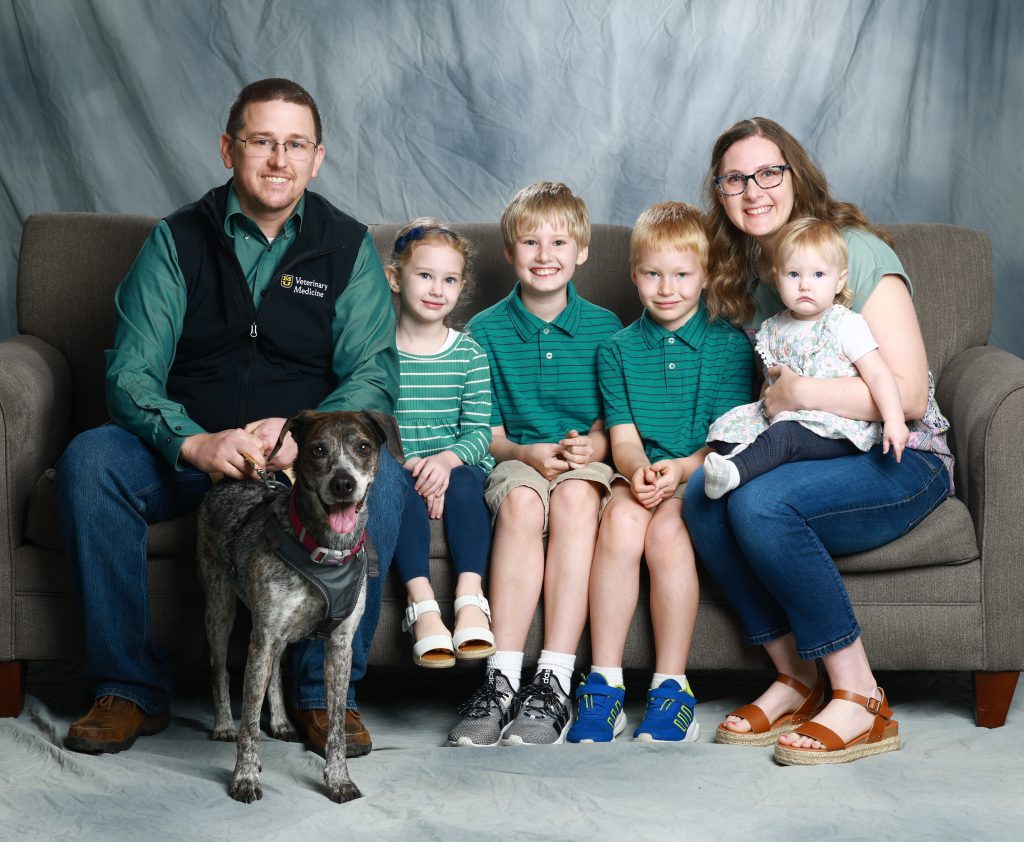
Outside of veterinary school, Cook’s life revolves around his family. Evenings are shaped by homework, bedtime routines and quiet hours of studying after his children are asleep. He remains active in his church and grounded in his community.
“It’s a lot of juggling,” he said. “But it’s worth it.”
Upon graduating this May, Cook will return to the USDA Food Safety and Inspection Service as a veterinarian — no longer supporting the work from the sidelines but leading it. For Cook, this is an exciting opportunity to bring together his experience in veterinary medicine and food safety.
Cook’s path to veterinary medicine wasn’t a straight line. Each step sharpened his sense of responsibility to animals, to people and to the systems that connect them. At Mizzou, that responsibility became clear.
“Seeing the system from both sides changes how you think,” he said. “Veterinary decisions don’t just affect one animal; they affect families and communities.”