Published on
Updated on
Story contact: Rachel Becker, CVMMarCom@missouri.edu
Photo by Karen Clifford
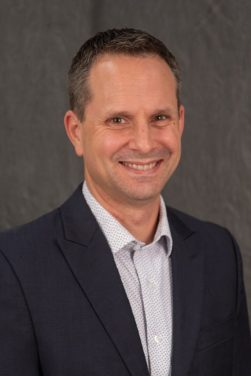
Shawn Bender, PhD, an associate professor and director of graduate studies at the University of Missouri College of Veterinary Medicine, was recently elected chair of the Cardiovascular Section of the American Physiological Society (APS).
APS is an international organization representing nearly 10,000 scientists and educators dedicated to advancing the understanding of physiology and related disciplines. Its Cardiovascular Section is the largest of the society’s 12 sections and brings together researchers with a shared interest in cardiovascular physiology and pathophysiology.
As chair, Bender will help guide the section’s activities, support scientific collaboration and contribute to initiatives that advance cardiovascular research and education. The role reflects the esteem he has earned among colleagues in the field through his research, mentorship and service to the scientific community.
Bender’s research focuses on the mechanisms underlying cardiovascular disease, with an emphasis on how obesity and metabolic disorders affect vascular and cardiac function and overall cardiovascular health. His work has advanced understanding of disease progression and identified potential pathways for improving long-term cardiovascular health.
“I am honored to serve as chair of the APS Cardiovascular Section, where I have found a scientific home and support for more than 20 years,” Bender said. “The section represents an outstanding community of scientists dedicated to advancing our understanding of cardiovascular health and disease. I look forward to giving back by working with colleagues to drive initiatives highlighting physiology, strengthen collaboration and support emerging investigators in the field.”